What happened
The scroll moves from the outskirts through river traffic, the Rainbow Bridge, and urban markets. Boatmen, vendors, travelers, animals, and buildings form a continuous slice of city life.
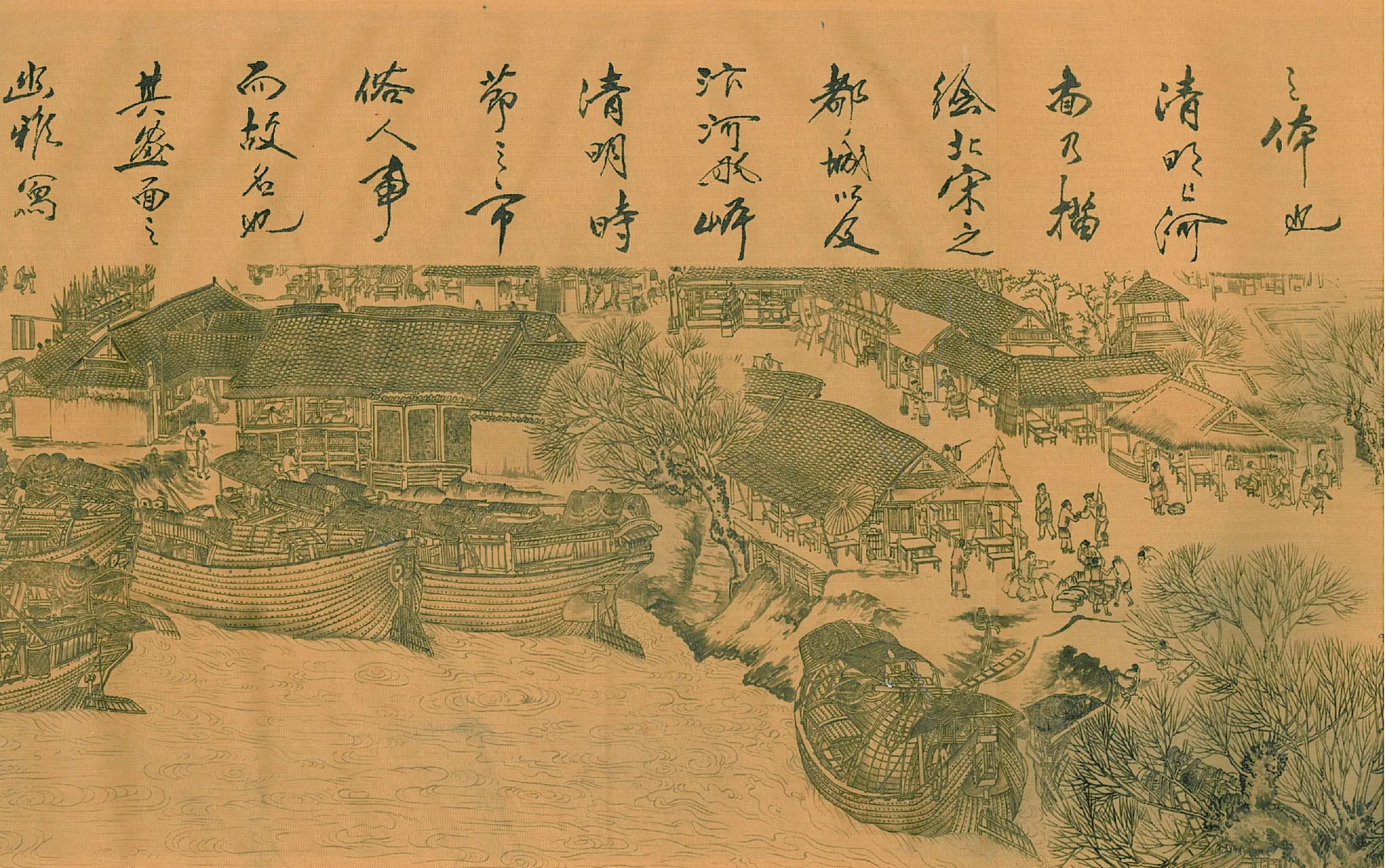
The Palace Museum / Wikimedia Commons public-domain segment photographs · Public Domain · Artwork details appear later
A moment for the eye to rest
Along the River During the Qingming Festival · The details can wait a little longer
FEEL
UNDERSTAND
Digital image: The Palace Museum / Wikimedia Commons public-domain segment photographs · Public Domain · commercial use permitted · View source ↗
Drag or swipe sideways to unfold the scroll.
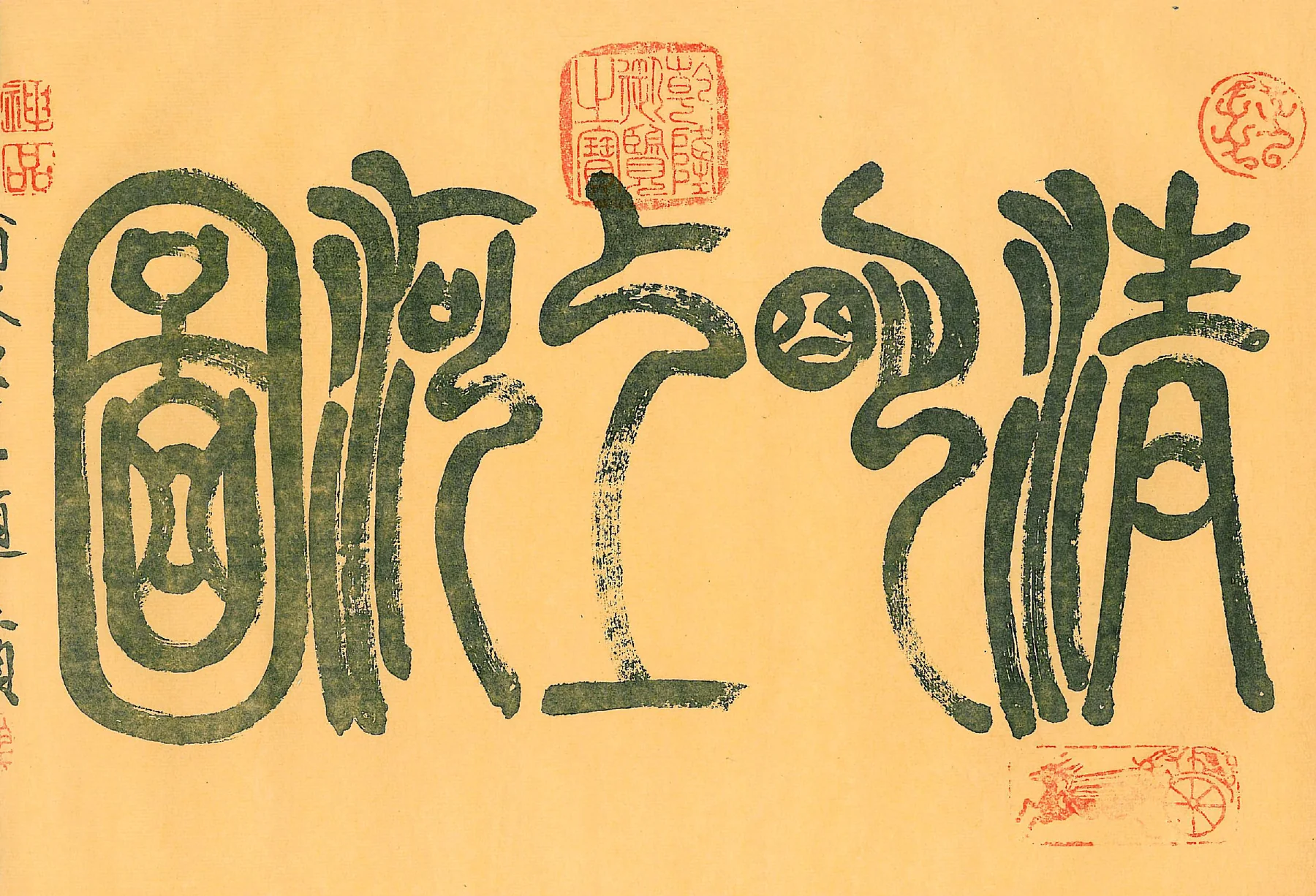
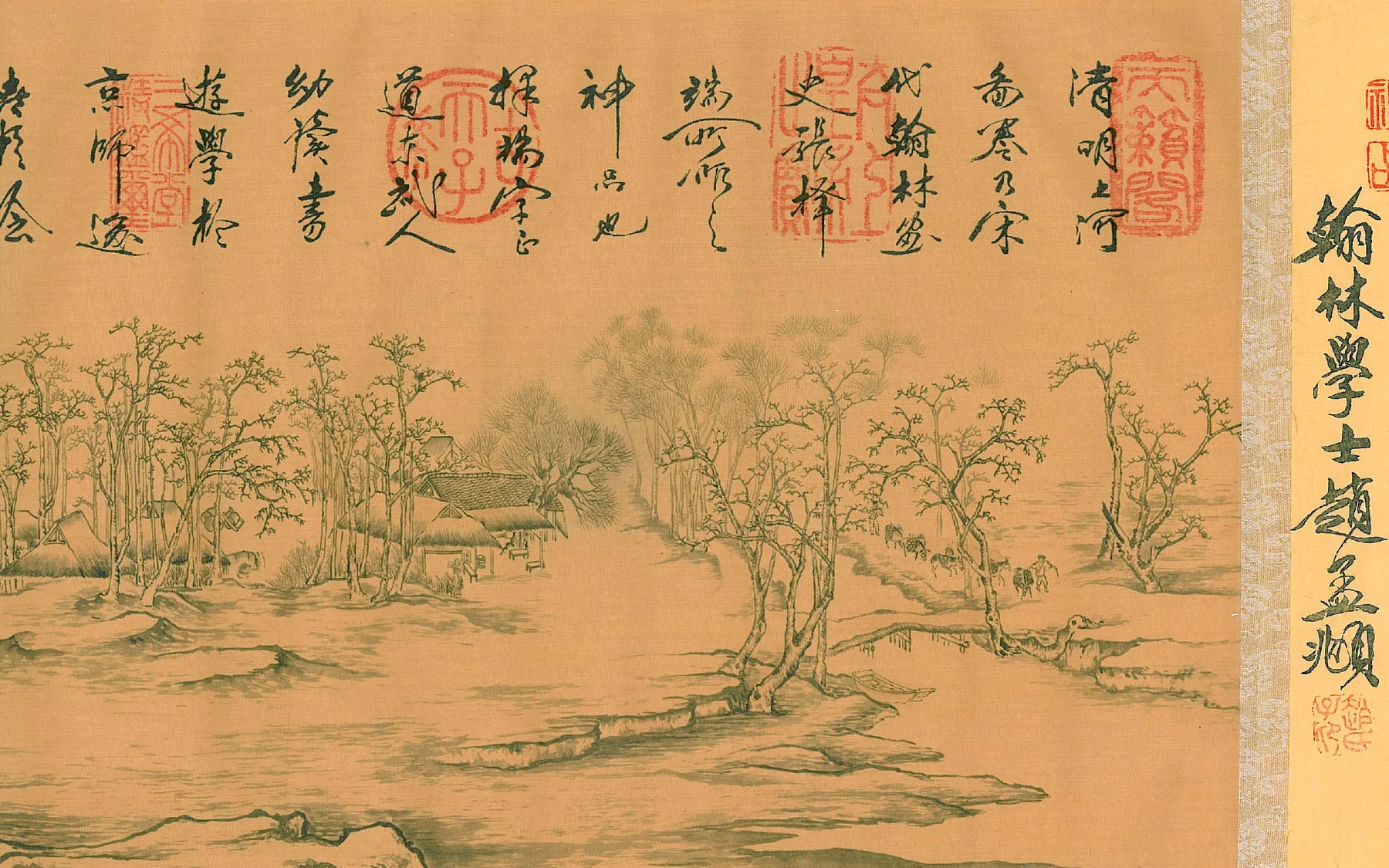
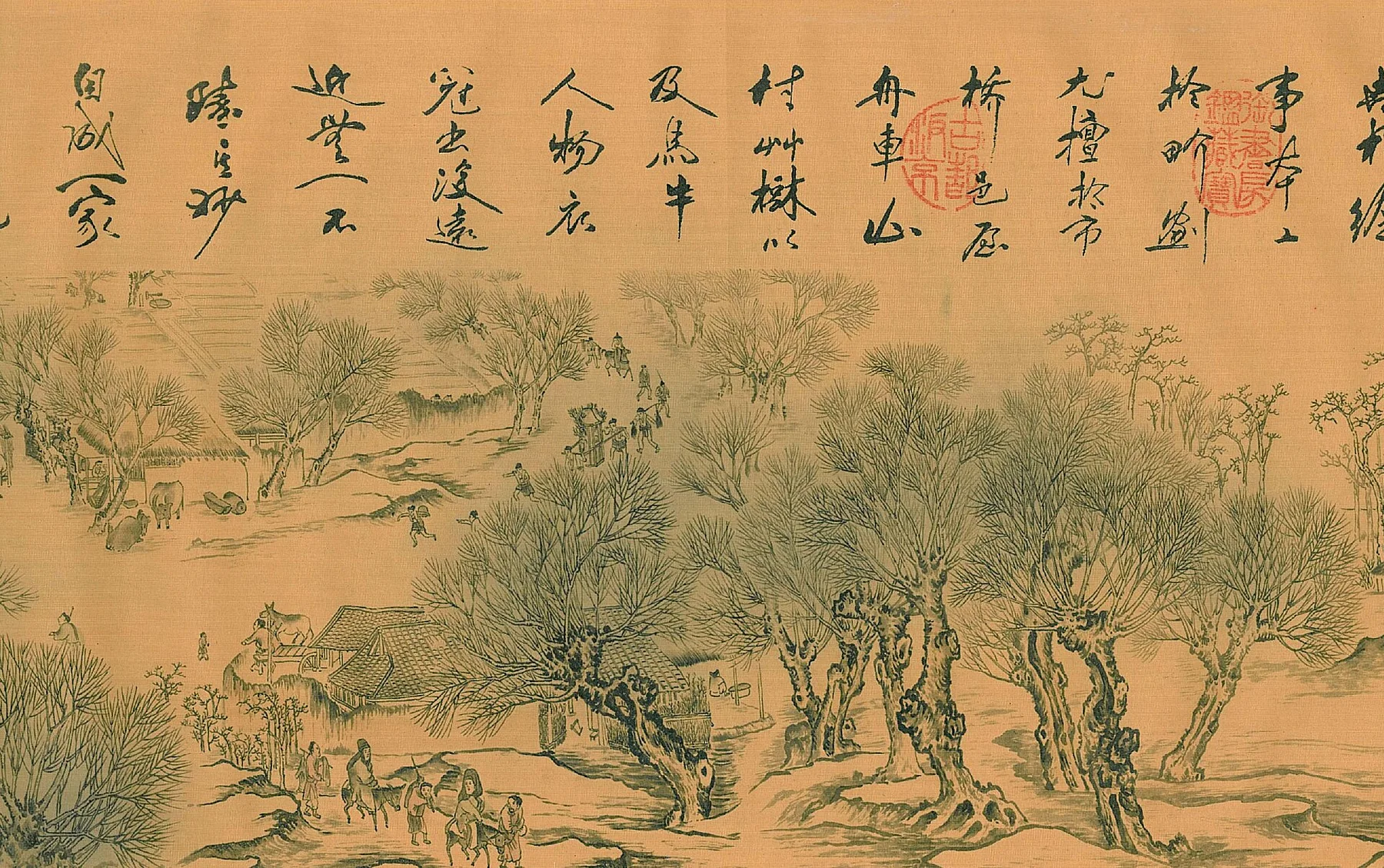
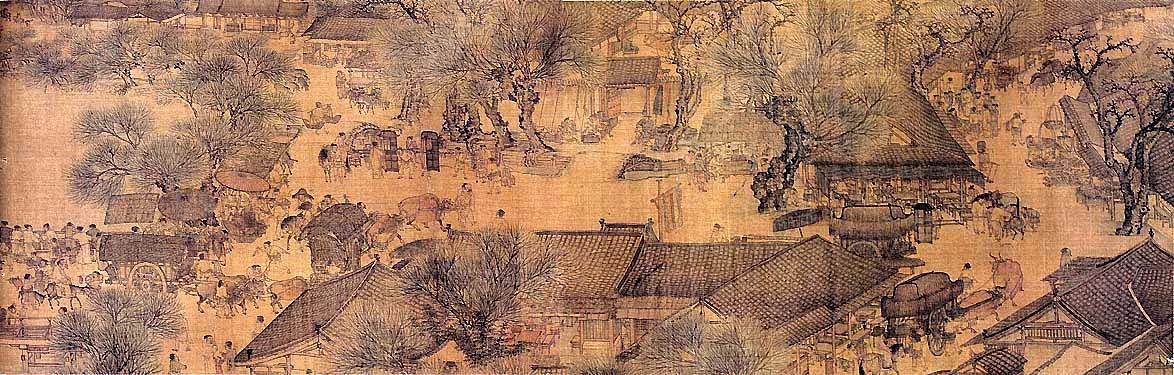
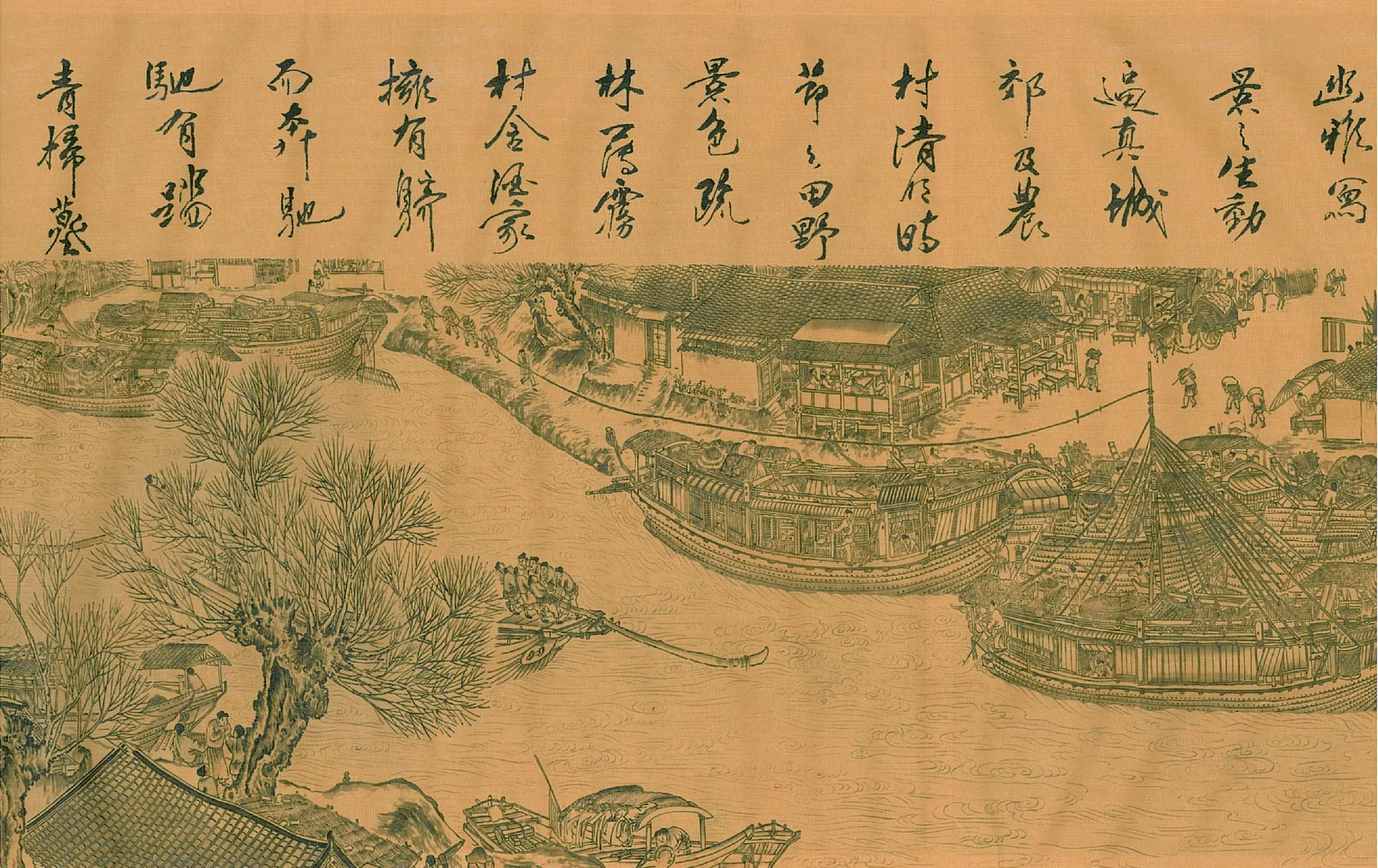
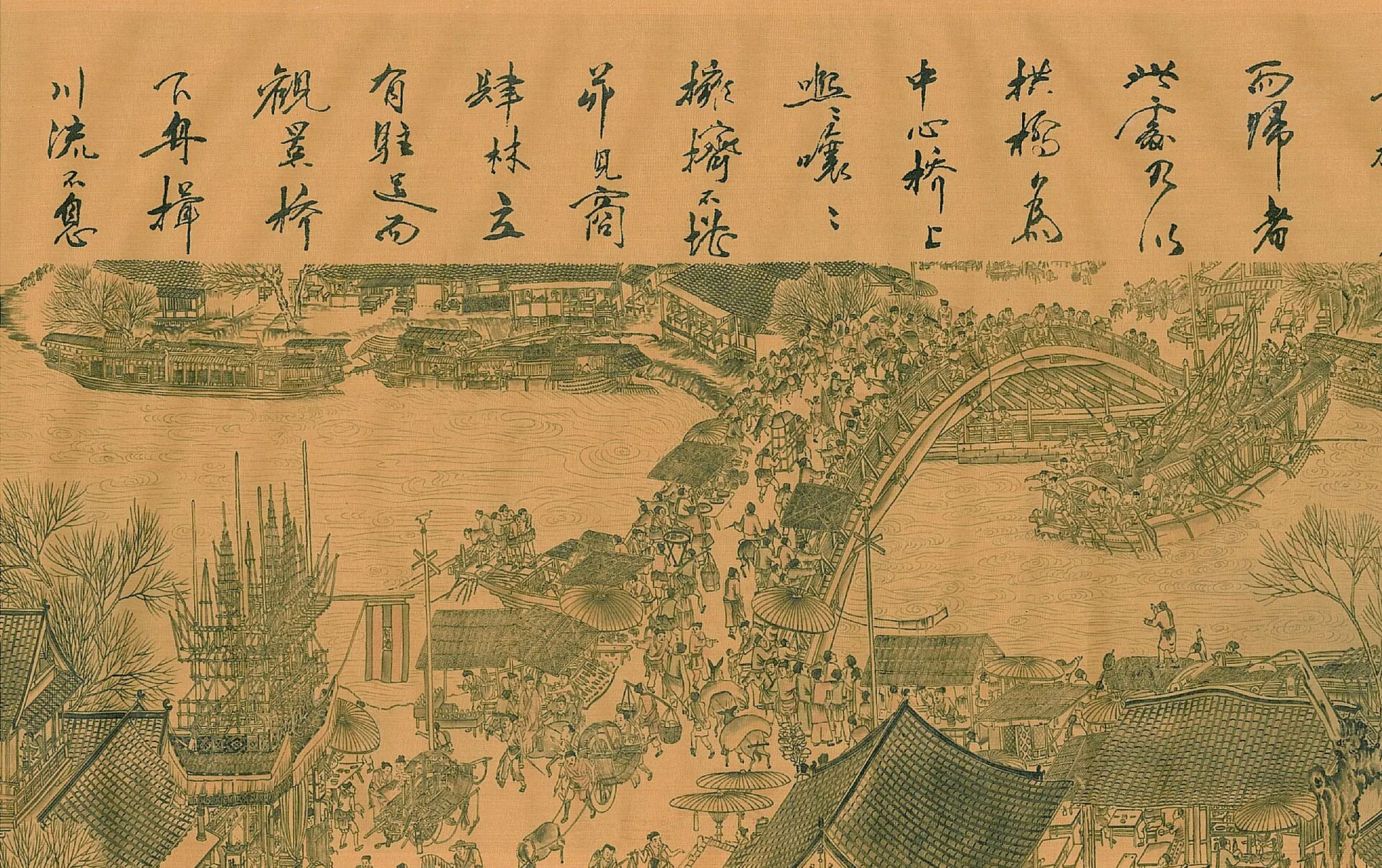
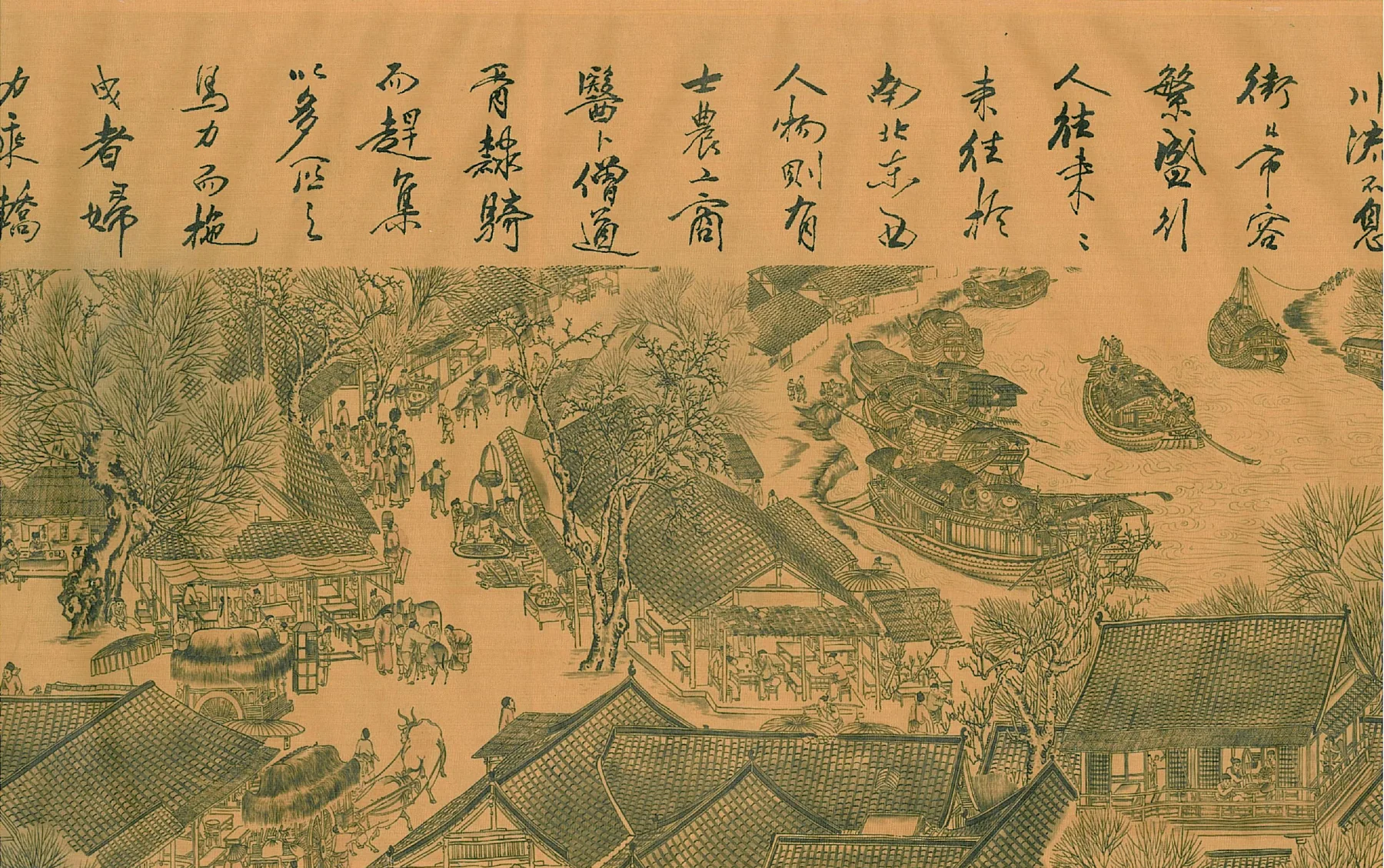
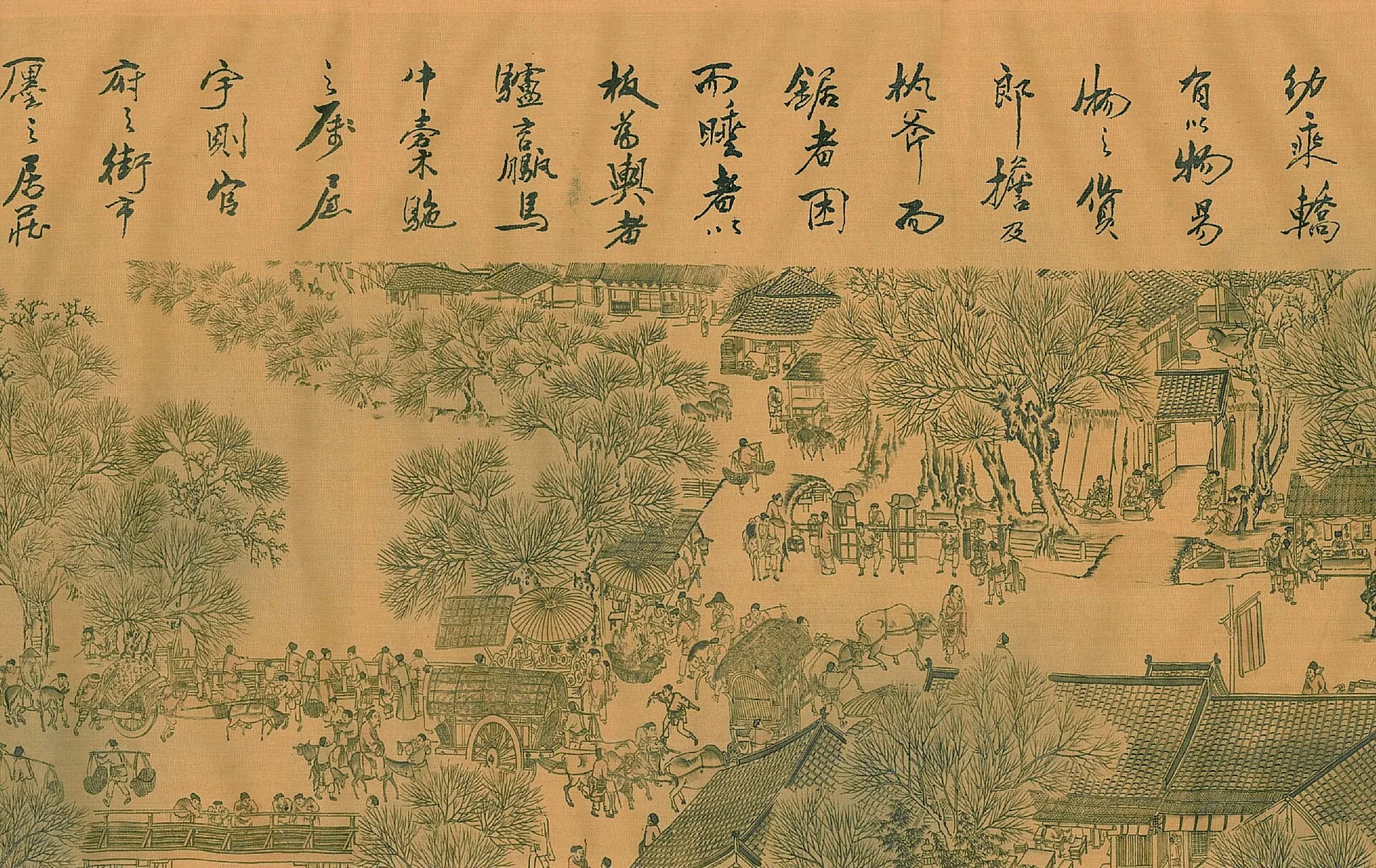
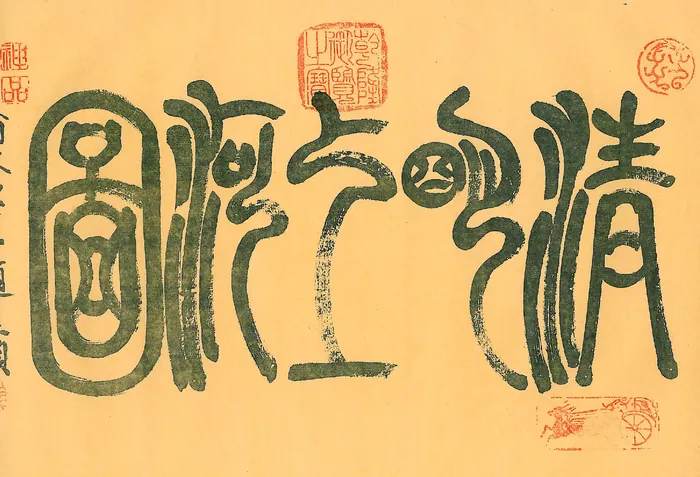
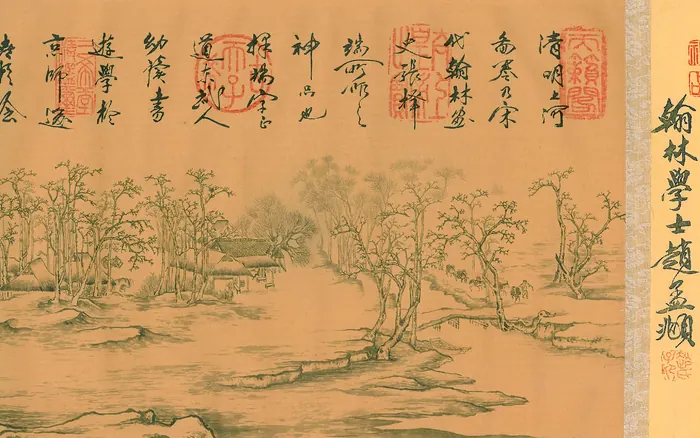
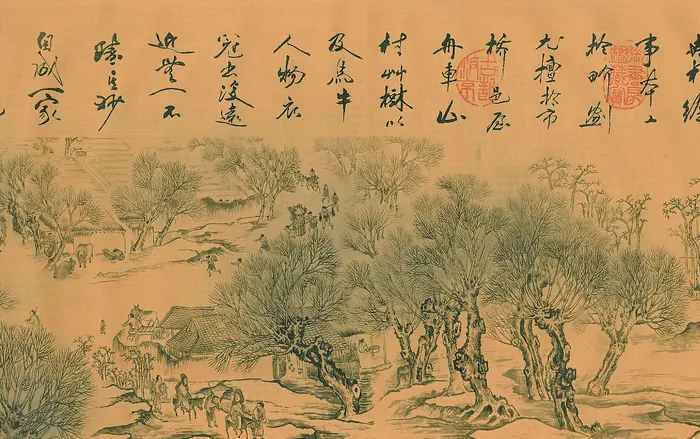
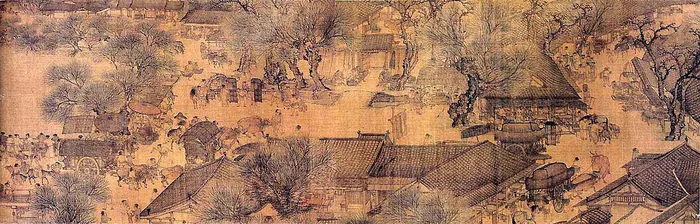
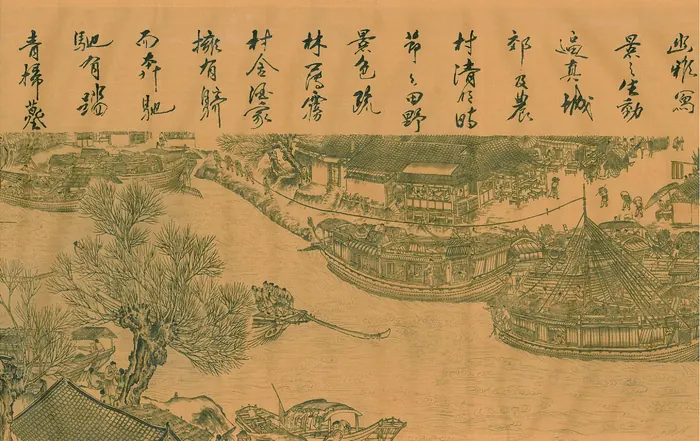
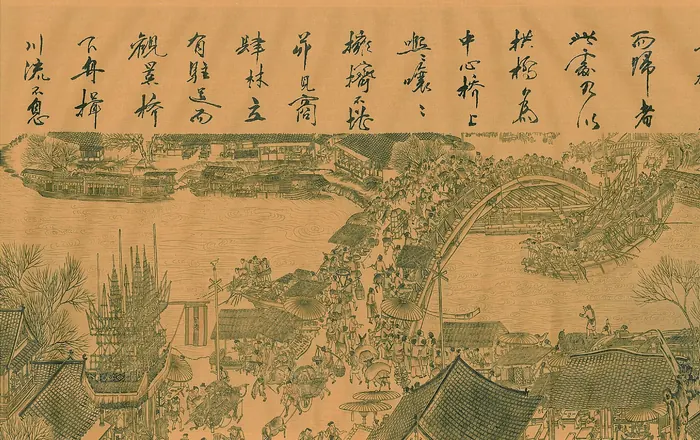
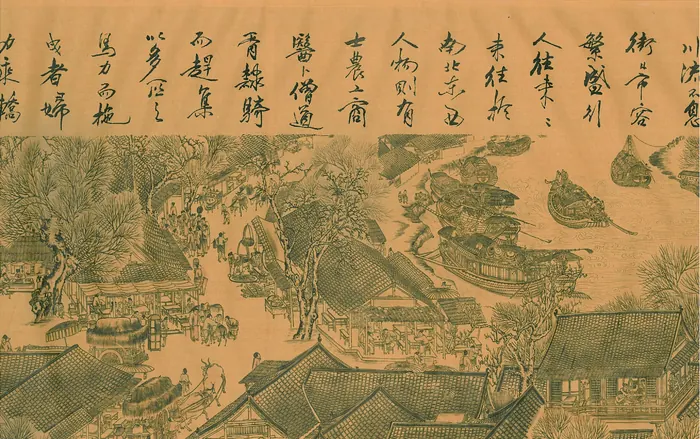
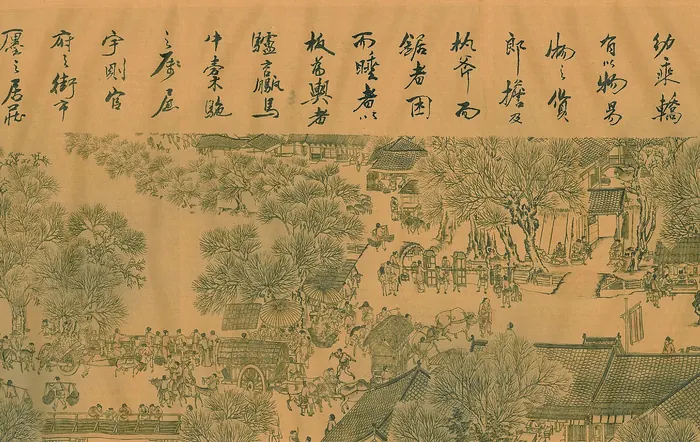
The scroll moves from the outskirts through river traffic, the Rainbow Bridge, and urban markets. Boatmen, vendors, travelers, animals, and buildings form a continuous slice of city life.
Road and river act as narrative lines joining scattered events. Density peaks around the bridge, then the picture breathes open again.
Without a fixed perspective or single light source, viewers continually change position as if walking through the city.
Light color distinguishes architecture, figures, and goods without overwhelming the lines carrying most of the information.
Often treated as a record of urban life, it remains a designed painting whose choices of rhythm, compression, and omission shape what we see.
It returns large history to ordinary gestures. The city is not a backdrop but the result of countless relationships happening together.
What did it leave with you?
Where next · WHERE TO
Not more of the same—just three possible paths.
Stay nearby · city
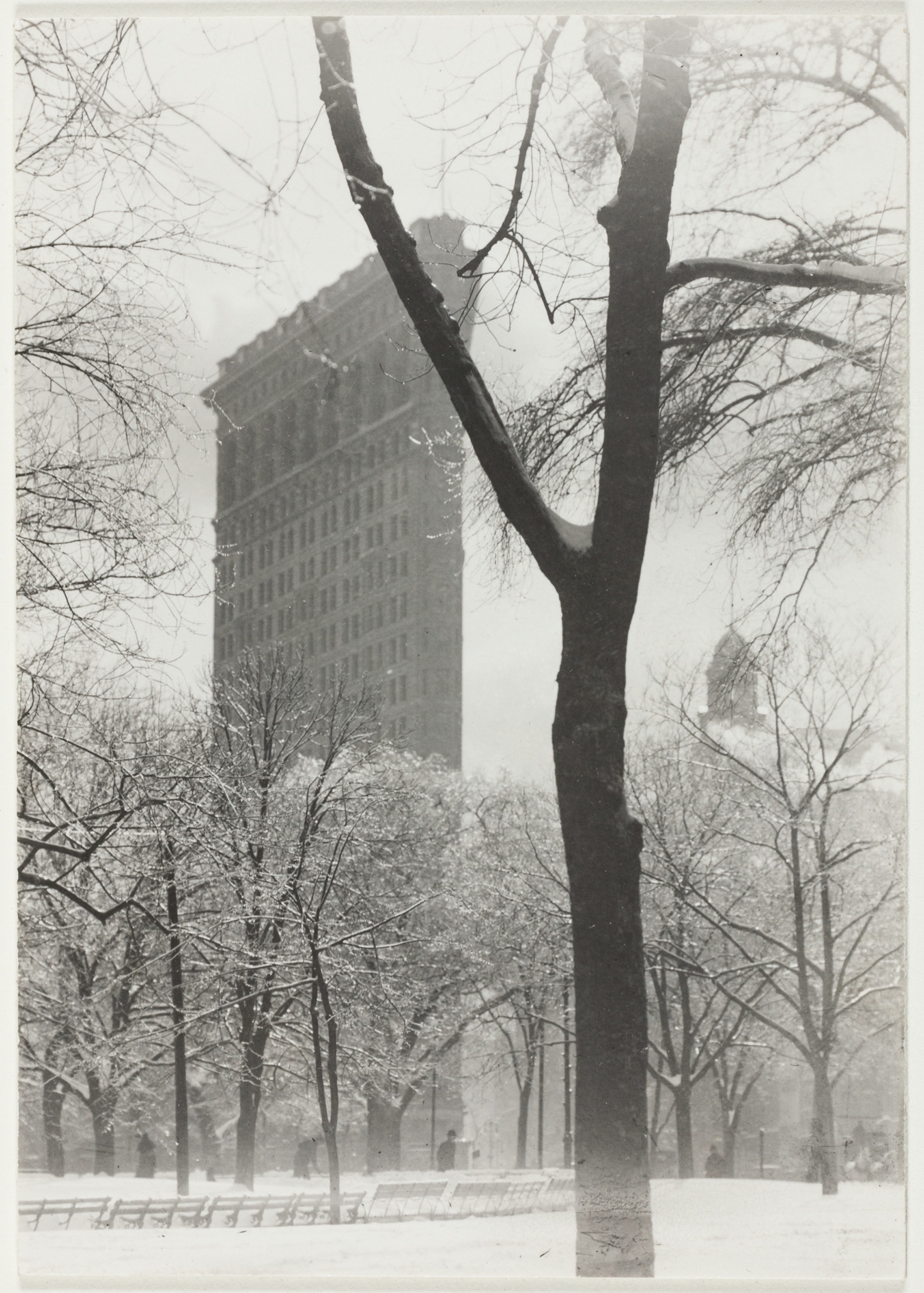
Edward Steichen · 1904
Move from an unfolding street to a modern crossing cut by rain and light
Go farther · crowd
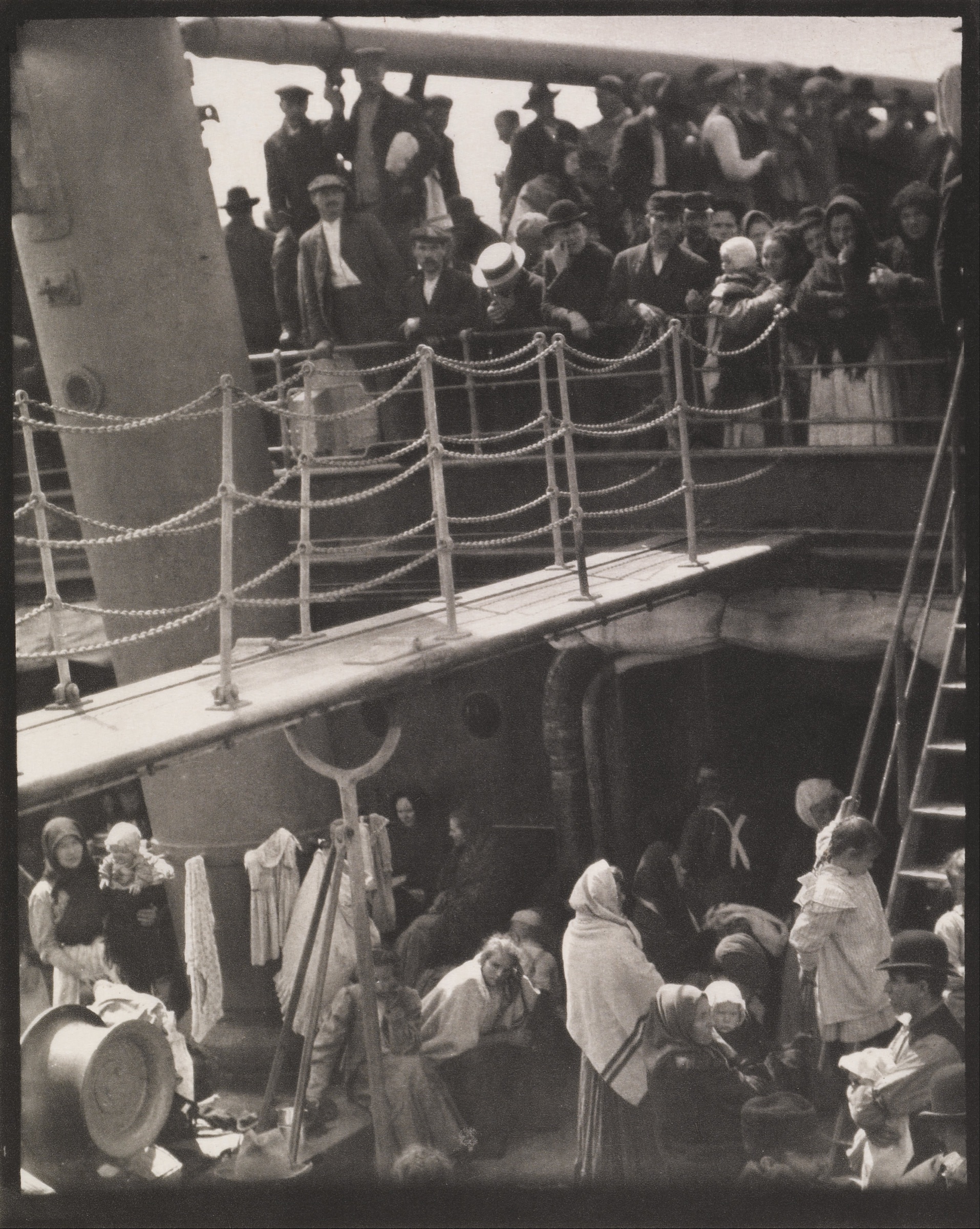
Alfred Stieglitz · 1907
See density divided again by class and railings
Change direction · everyday life
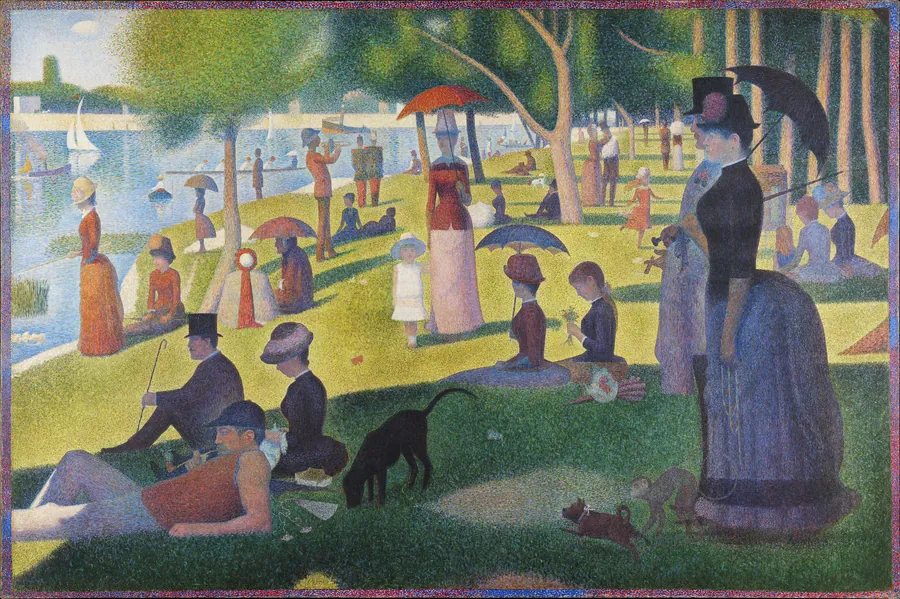
Georges Seurat · 1884–1886
Let a moving city pause for a Sunday afternoon