What happened
Snow and ice recede in an early-spring mountain. Water and mist begin to move while travelers and buildings hide within the immense terrain.
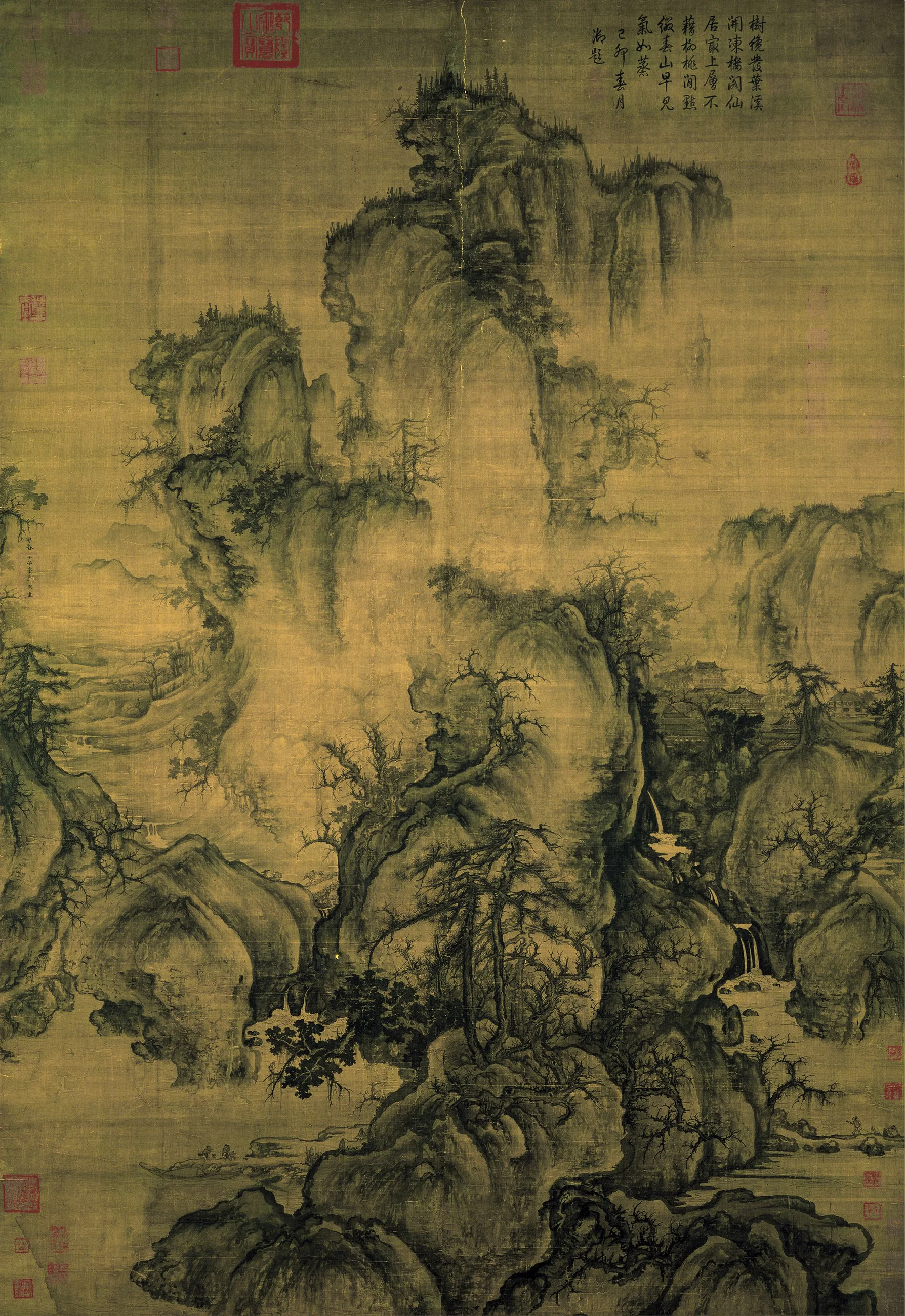
National Palace Museum Open Data / Wikimedia Commons · Public Domain Mark / CC0 available · Artwork details appear later
A moment for the eye to rest
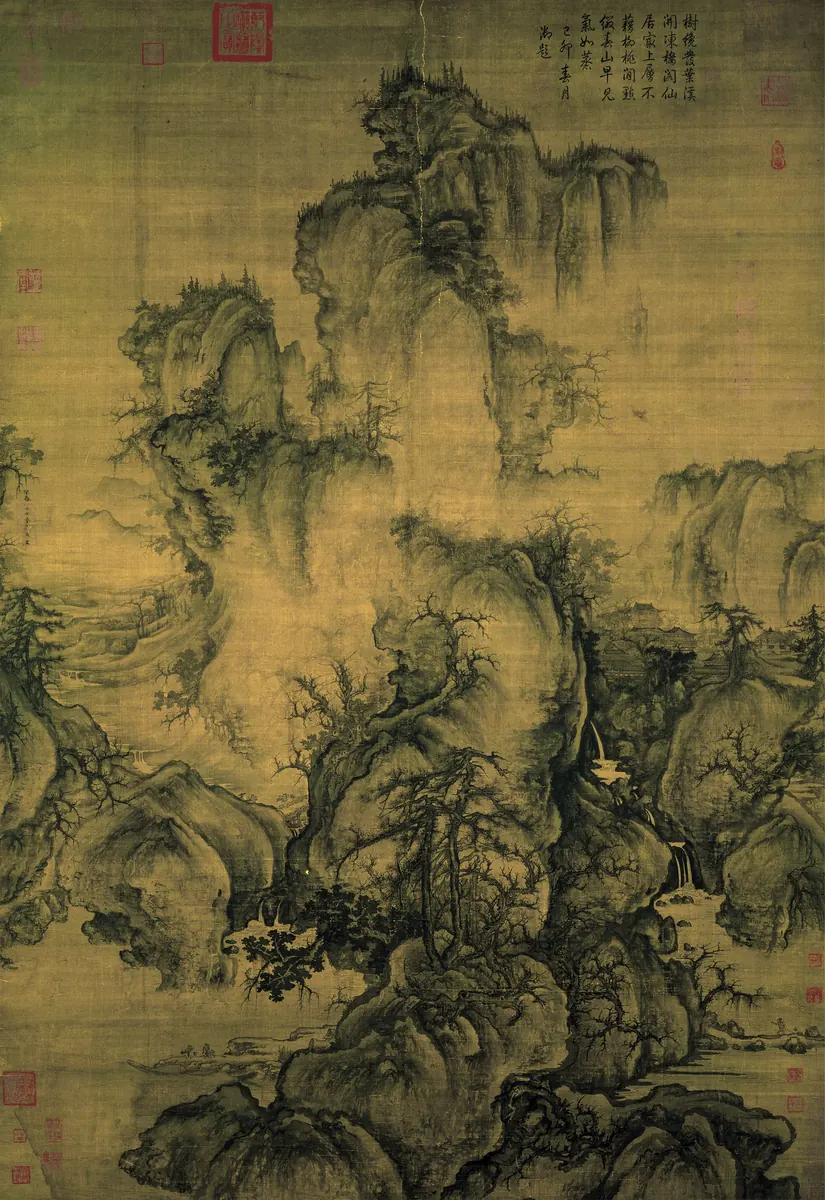
Early Spring · The details can wait a little longer
FEEL
UNDERSTAND
Digital image: National Palace Museum Open Data / Wikimedia Commons · Public Domain Mark / CC0 available · commercial use permitted · View source ↗
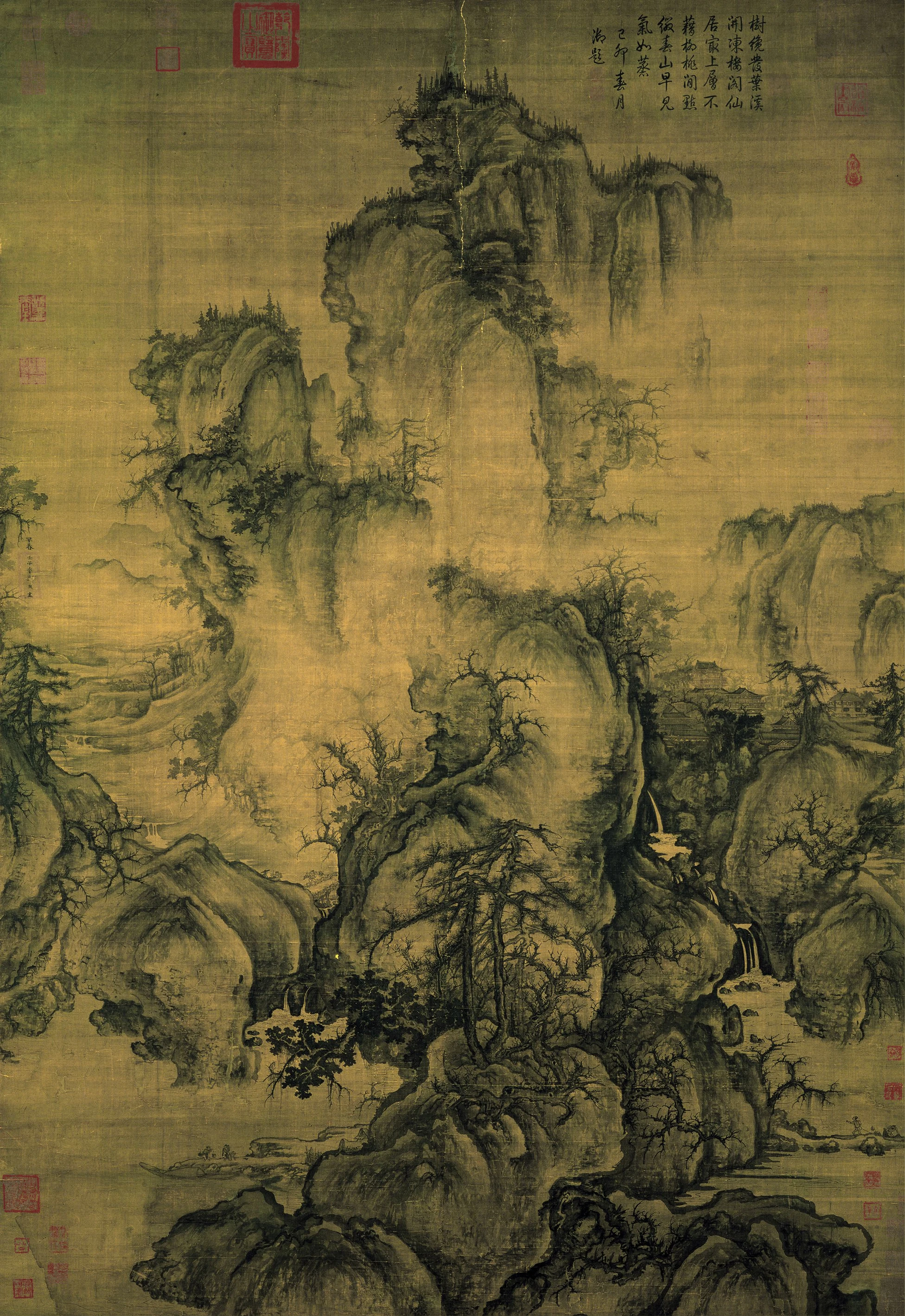
Snow and ice recede in an early-spring mountain. Water and mist begin to move while travelers and buildings hide within the immense terrain.
A central peak rises through near, middle, and far spaces joined by shifting viewpoints. Looking becomes travel rather than a fixed position.
Mist is not merely an obstruction; it lets forms emerge and recede as light diffuses through damp air.
Ink carries most of the structure, while very pale color keeps seasonal change on the edge of becoming.
Guo Xi described landscapes as places to walk, view, wander, and dwell. Early Spring combines a dated season with an ideal journey through mountains.
It does not ask us to conquer a mountain. It invites the eye inside, turning space into an imagined bodily journey.
What did it leave with you?
Where next · WHERE TO
Not more of the same—just three possible paths.
Stay nearby · mountain

Caspar David Friedrich · circa 1818
Move from inhabitable landscape to one figure seen from behind
Go farther · season
%20-%20Google%20Art%20Project.jpg?width=1600)
Pieter Bruegel the Elder · 1565
Let early spring return to deep winter
Change direction · looking
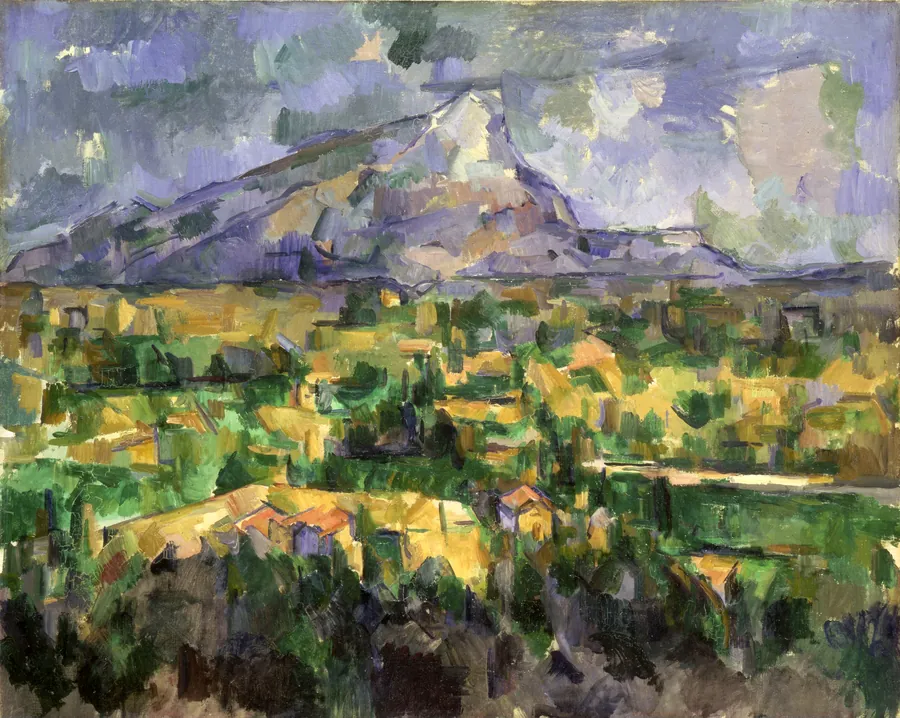
Paul Cézanne · c. 1902–1904
Compare traditions of repeatedly observing a mountain