What happened
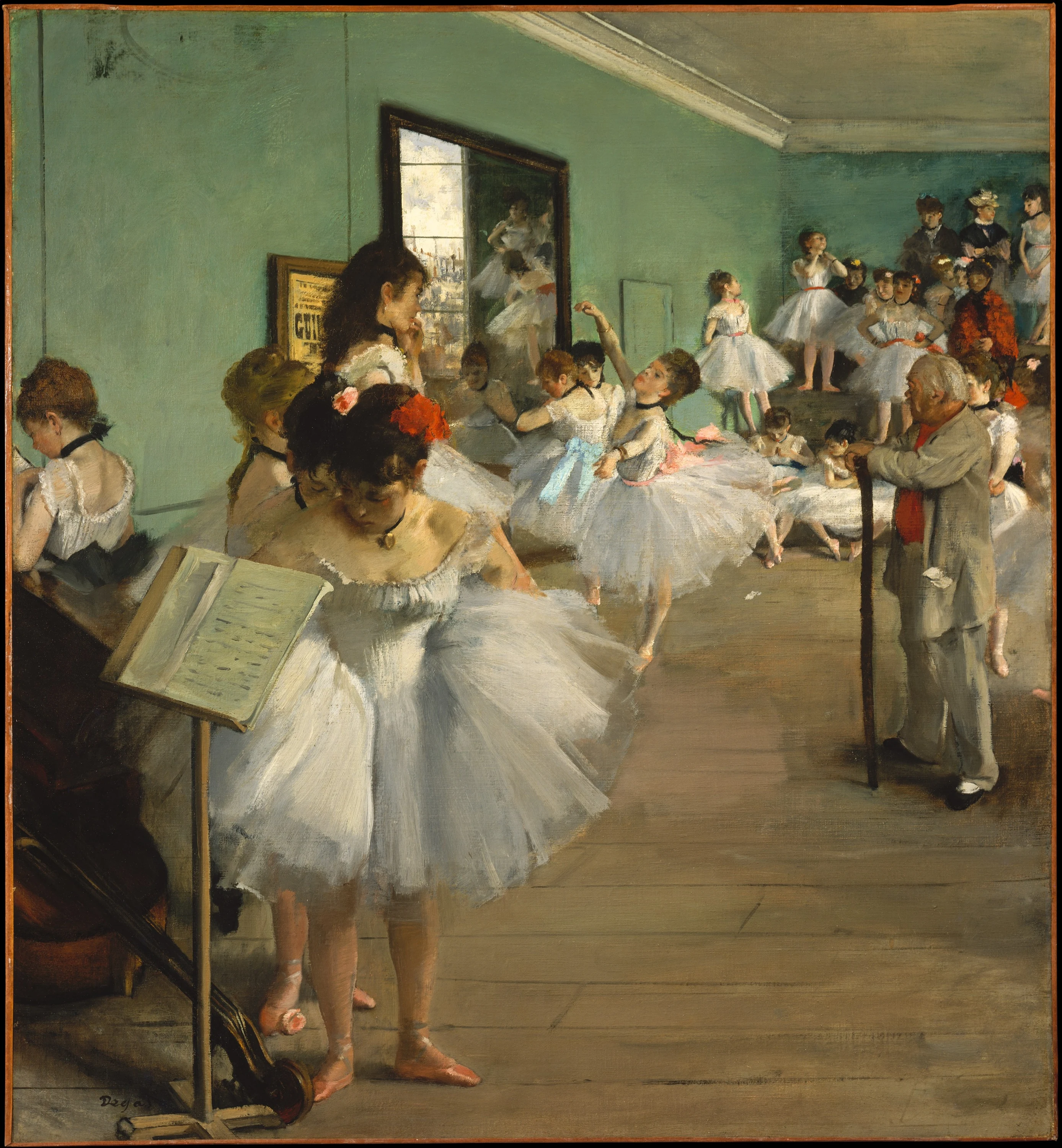
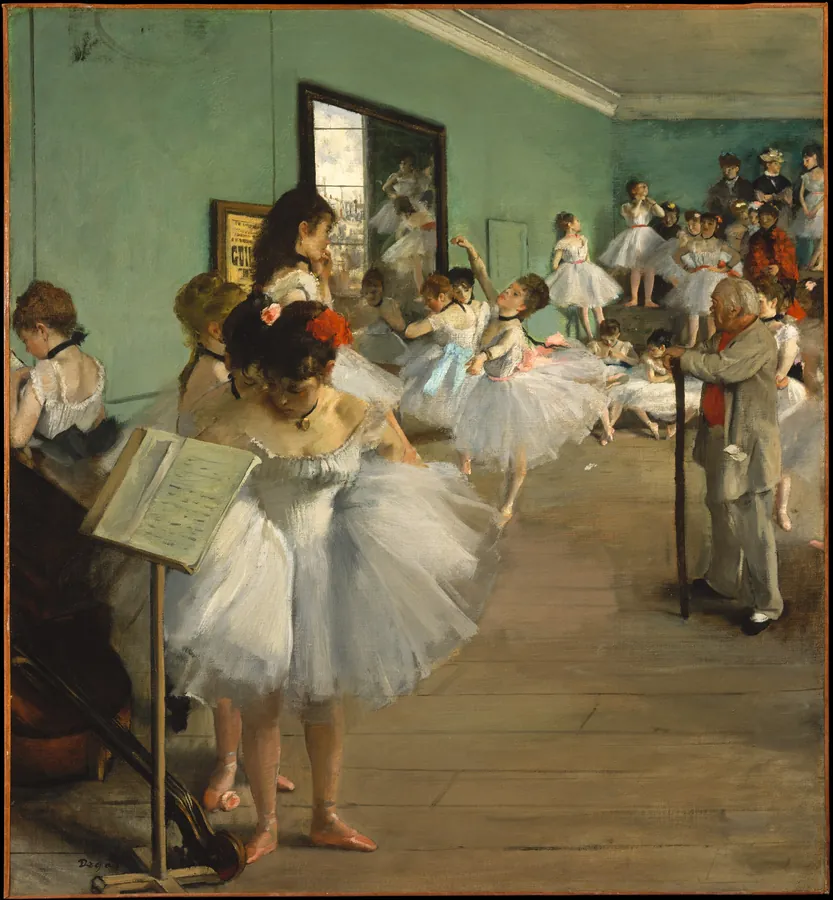
The class is nearing its end, with only one dancer performing before an elderly teacher. Others stretch, tidy their clothes, wait, or daydream.
The Met Open Access · CC0 1.0 · Artwork details appear later
A moment for the eye to rest
The Dance Class · The details can wait a little longer
FEEL
UNDERSTAND
Digital image: The Met Open Access · CC0 1.0 · commercial use permitted · View source ↗
The class is nearing its end, with only one dancer performing before an elderly teacher. Others stretch, tidy their clothes, wait, or daydream.
Degas places key figures off-center and cuts the foreground girl at the edges. The view feels like a chance intrusion but was carefully arranged.
Light from pale walls and wooden floors subtly changes the white dresses to pink, blue, and gray-green tones.
Large areas of light beige and white create a quiet space; sashes and hair accessories mark rhythmic beats, connecting scattered figures.
Degas observed dancers at the Paris Opera for years. He focused on the labor behind grace and social spaces rather than stage illusions.
It invites us to notice 'unperformed' bodies. Art happens not just in perfect movements but in waiting, practice, and fatigue.
What did it leave with you?
Where next · WHERE TO
Not more of the same—just three possible paths.
Stay nearby · dance steps
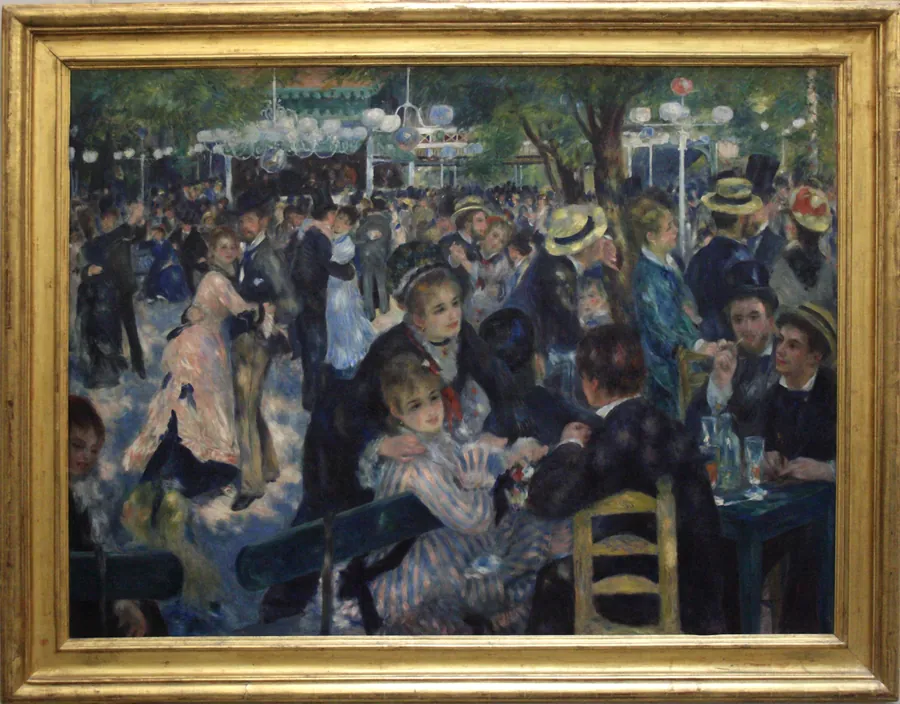
Pierre-Auguste Renoir · 1876
Move from trained bodies to free conversation
Go farther · instantaneous action
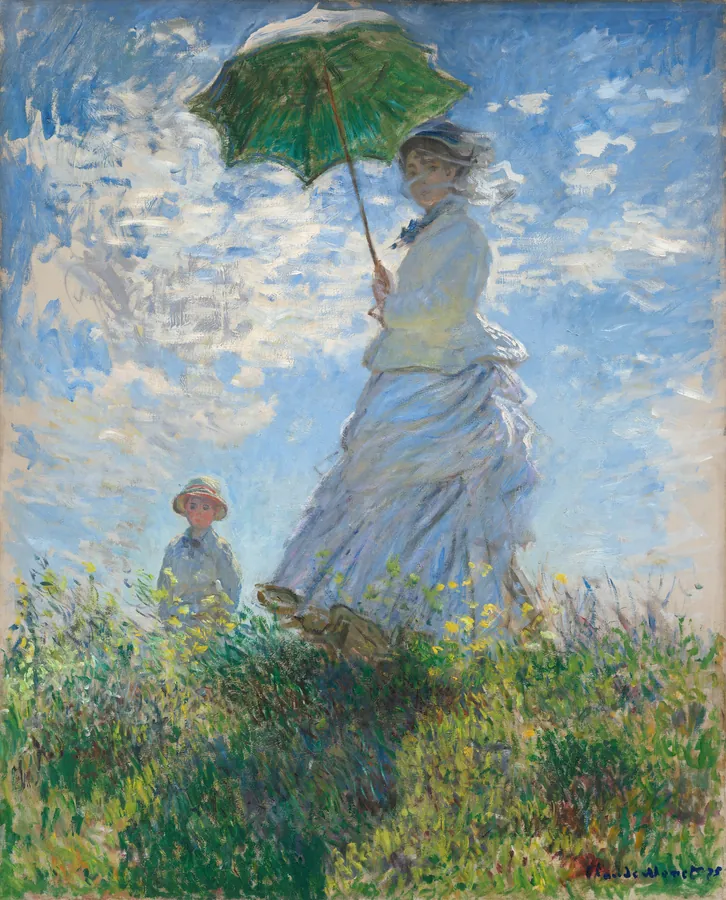
Claude Monet · 1875
Switch indoor practice to a gust of wind outside
Change direction · turning
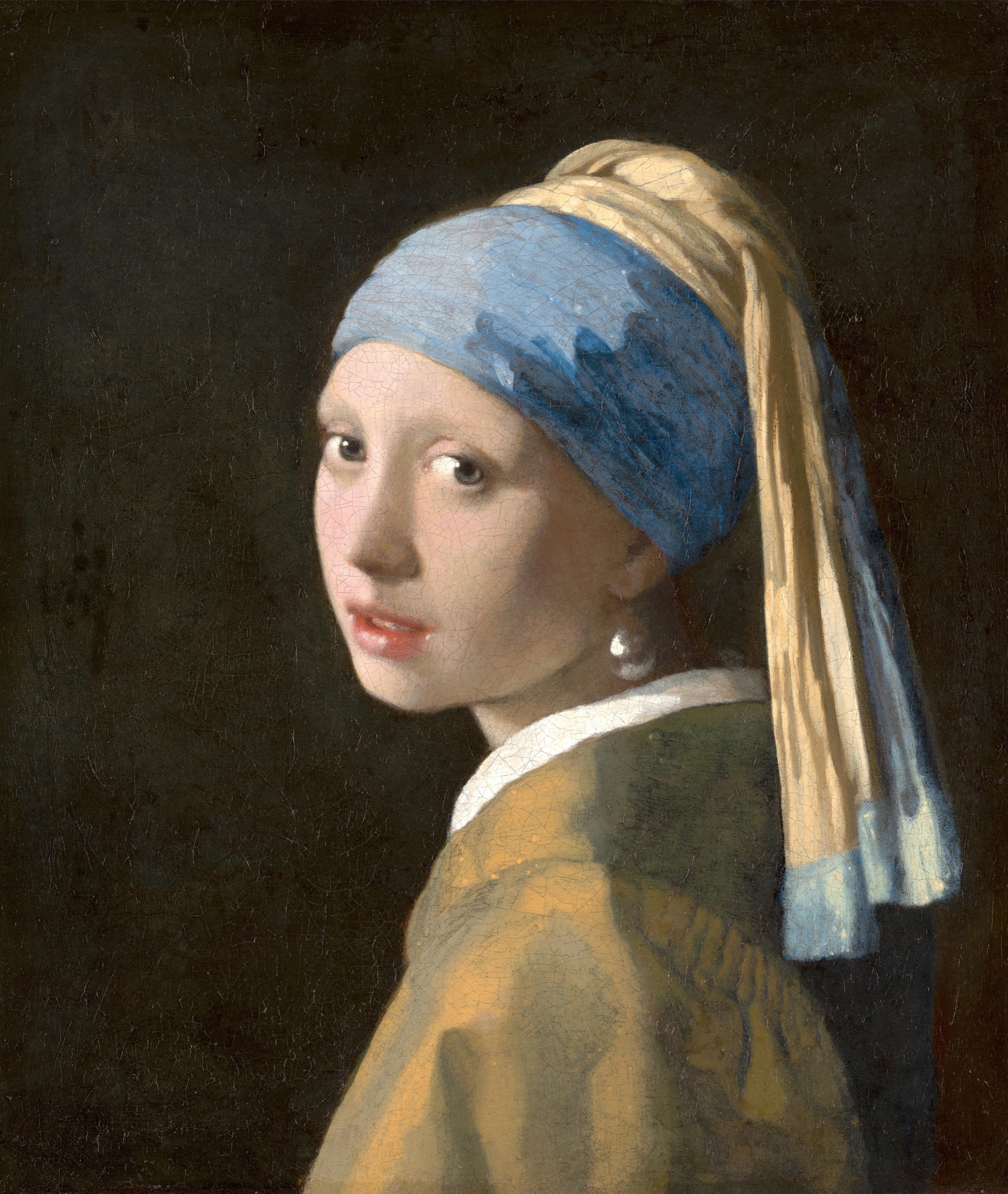
Johannes Vermeer · circa 1665
Meet another paused figure turning back